
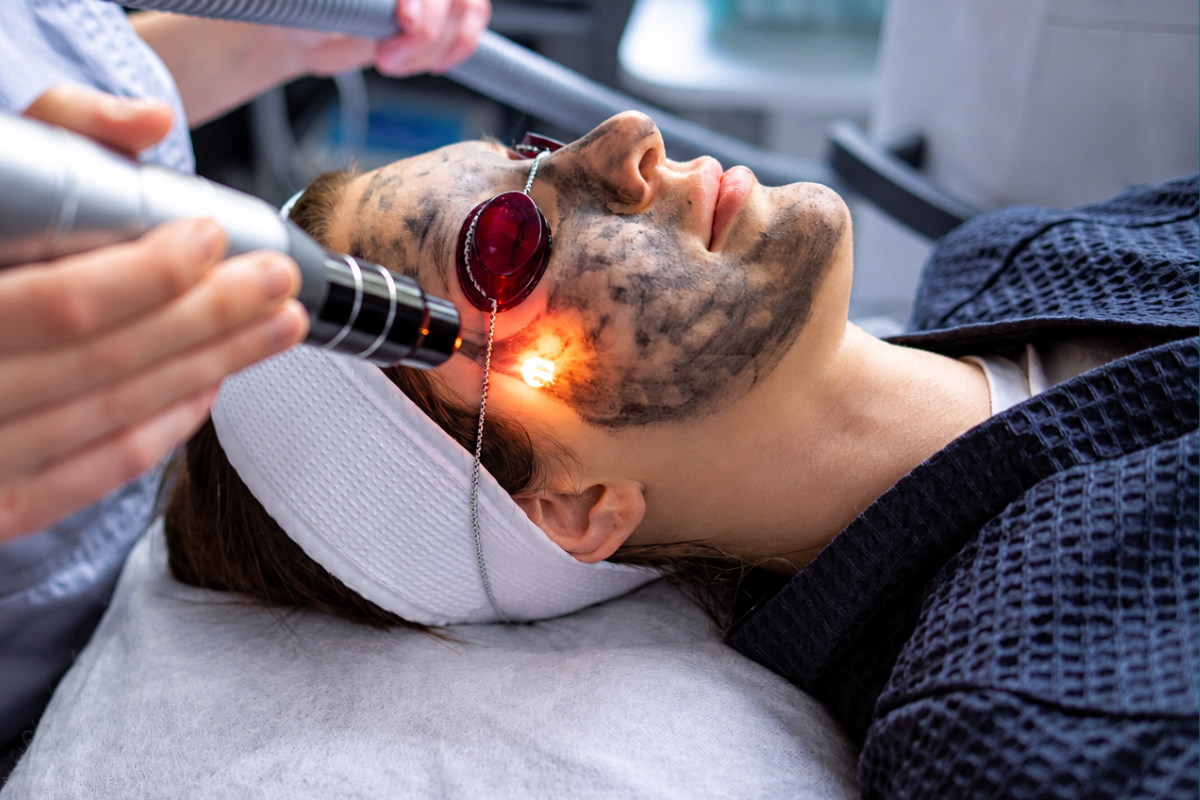
Personalised dermatology solutions to help manage uneven skin tone, dark spots, and melasma with a targeted approach.
Pigmentation can develop due to several factors, including sun exposure, hormones, inflammation, genetics, and changes within the skin.
While many products claim to improve pigmentation, the right approach depends on understanding what type of pigmentation you have and why it developed.
Dr. Naiyna Nangia takes a detailed approach to pigmentation concerns by assessing your skin, identifying contributing factors, and creating a personalised treatment plan designed around your skin type and goals.
Pigmentation refers to areas of the skin that appear darker or uneven compared to the surrounding skin.
Melasma is a common pigmentation condition that often appears as symmetrical brown or greyish patches, commonly on areas such as the cheeks, forehead, nose, and upper lip.
Pigmentation concerns can have different causes, and treatment depends on factors such as:
Dr. Naiyna uses a combination of medical dermatology, skincare guidance, and advanced procedures where appropriate to help manage pigmentation concerns.
Treatment options may include:
For those noticing dullness, patchy skin tone, or areas of darker pigmentation.
For individuals experiencing recurring pigmentation patches that may be influenced by hormones, sun exposure, or other triggers.
For those looking to address dark marks left behind after acne breakouts.
For patients concerned about pigmentation changes caused by long-term sun exposure.
Dr. Naiyna evaluates your pigmentation pattern, skin type, previous treatments, and possible triggers contributing to your concern.
Based on your assessment, she recommends suitable options that may include skincare, procedures, or a combination approach.
Pigmentation management often requires consistency. Along with treatment, guidance on skincare habits and sun protection plays an important role in maintaining results.
A personalised treatment plan can help improve the appearance of uneven pigmentation and promote a more balanced skin tone.
Different pigmentation conditions require different approaches. Treatment is selected based on your individual skin assessment.
Many pigmentation treatments can also support improvements in skin texture and overall skin appearance.
Understanding triggers and following appropriate maintenance care can help manage pigmentation over time.
A dermatologist-guided approach helps you understand what your skin needs and avoid unsuitable treatments.
Pigmentation requires more than just treating the visible spots. It requires understanding why it developed.
Dr. Naiyna focuses on:
✓ Detailed skin assessment
✓ Identifying pigmentation type and triggers
✓ Personalised treatment planning
✓ Safe treatment selection for your skin type
✓ Long-term pigmentation management
Pigmentation can recur because of factors such as sun exposure, hormonal changes, genetics, and inflammation. Managing triggers is an important part of long-term care.
Melasma is a condition that often requires ongoing management. The response to treatment varies between individuals, and maintenance may be needed.
Treatment selection depends on your skin type, pigmentation pattern, and individual risk factors. A consultation helps determine the most suitable approach.
Some skincare habits may support skin health, but persistent pigmentation often requires proper assessment to identify the cause and appropriate treatment.
The timeline varies depending on the type of pigmentation, treatment plan, and individual response. Dr. Naiyna will discuss realistic expectations during consultation.

Specialist Dermatologist & Aesthetic Physician in Dubai, specialising in acne, pigmentation, hair restoration, laser treatments, and injectables, with an evidence-based approach focused on natural results and healthy skin.
Copyright © 2026 @Dr. Naiyna Nangia | Designed & Developed By MediGrow.ae